Anime resin statues / Collector knowledge
A guide for careful collectors
Why are resin statues so expensive?
A premium resin statue is made by hand at almost every stage: an original sculpt, a small number of castings, hours of cleanup and assembly, and a paint job no machine can do. Here is where the cost comes from, and what it tells you about the piece you are buying.
1. The short answer
Mass-market PVC figures are injection-molded by machine in very large numbers, so the cost of the original sculpt is spread across thousands of copies. A resin statue is the opposite. It is cast by hand in small numbers, and every copy is cleaned, assembled and painted by a person. The fewer pieces a sculpt is shared across, and the more hands each one passes through, the more each piece costs. A commissioned statue is the extreme case: an edition of one.
2. The sculpt comes first
Every statue starts as an original sculpt, made by hand in clay or digitally. Anatomy, pose, costume folds, hair and the base all have to be resolved before anything is produced. For a statue that must read from every side, that work is measured in weeks, not hours. A recognizable character or a real likeness adds rounds of refinement, because small differences in proportion change who the face looks like.
3. Small runs and hand casting
Resin is poured into silicone molds one casting at a time. Molds wear out after a limited number of pulls and have to be remade, and a large statue is split into many parts so each one casts cleanly. Retail resin statues are usually produced in limited editions, and a commission is produced once. None of that work is shared across a big production run.
4. Cleanup and assembly
Every cast or printed part needs work before paint: removing supports or pour points, filling seams, sanding, and test-fitting. Parts are pinned or magnetized so the statue can be assembled, transported and displayed safely. Done well, this stage is invisible. Skipped, it shows up as seam lines, gaps and loose parts.
5. Painting by hand
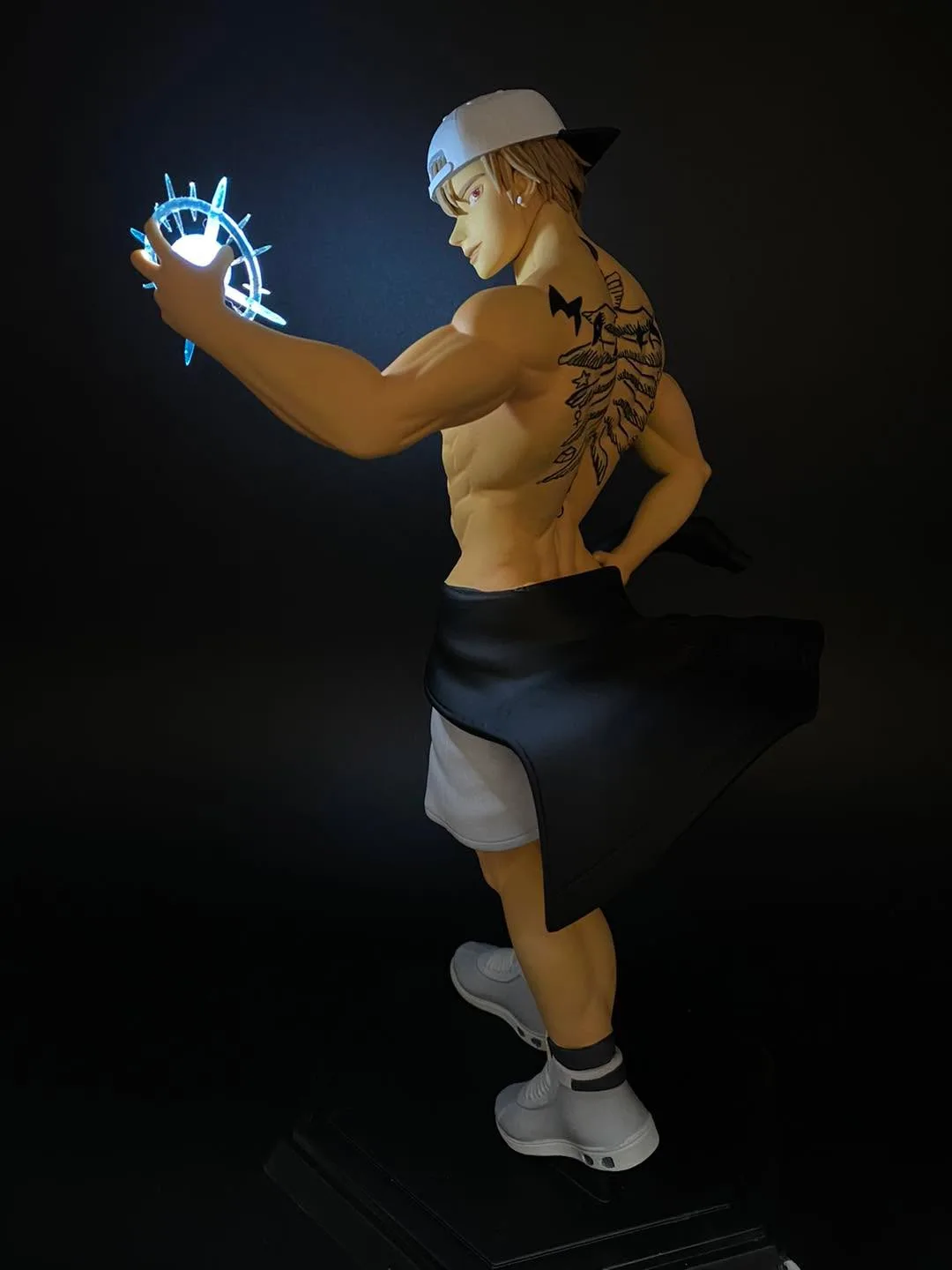
Paint carries more of the final feeling than any other stage. Skin tones, fabric, metal, glow effects and shadows are built up in layers by hand, and the fine work, such as eyes, tattoos and small accents, takes steady, slow brushwork. A cheaper statue usually shows its price here first: flat color, soft edges, and details that blur together.
6. Materials, weight and safe delivery
Quality resin and cold-cast composites cost more than the soft PVC used for mass figures, and they are heavier. A statue with a scenic base or lighting adds parts, wiring and testing. Getting it to a collector intact means protective crating and an insured express courier, which matters most for international delivery.
7. Licensing and why cheap copies exist
Retail statues of known characters often carry the cost of an official license. That is one reason recasts exist: an unauthorized copy skips the sculpt, the license and most of the care, and it usually looks like it. If a premium-looking statue is suddenly very cheap, ask who sculpted it and how it was made. Recast vs. commission explains the differences.
8. What this means for a commission
A commissioned statue includes everything above, done once, for one collector: an original sculpt designed around your brief, a single build, a paint job planned for your display, and safe delivery to your door. Because every project differs in size, detail, base, effects and destination, Luminary Studios quotes each one privately after reviewing the idea. To see how the process runs, read how custom statue commissions work, or explore anime resin statue commissions and custom sculpture commissions.
Written for Luminary Studios clients. Project terms are confirmed in your private proposal.